



DCU Researchers Featured on RTÉ’s 10 Things to Know About
The DCU Water Institute is proud to highlight the recent appearance of two of our researchers, Dr. Caroline Murphy and Dr. Paul Leonard on RTE’s 10 Things to Know About…, where they shared their expertise on invasive species, harmful algal blooms, and innovative water safety testing.
Loch Neagh: A Critical Water Resource
Broadcast from the shores of Loch Neagh, Caroline explained the importance of this lake, the largest in both the UK and Ireland:
- It supplies 47% of Northern Ireland’s water
- It provides drinking water for 40% of Belfast
- It supports diverse wildlife, including migratory birds
Dr. Caroline highlighted the ecological pressures facing the lake, particularly the spread of invasive zebra mussels. These mussels have displaced native freshwater mussels, increased water clarity, and contributed to extensive harmful algal blooms.
Timestamps:
- Dr. Caroline Murphy: 16 minutes
- Dr. Paul Leonard: 20 minutes
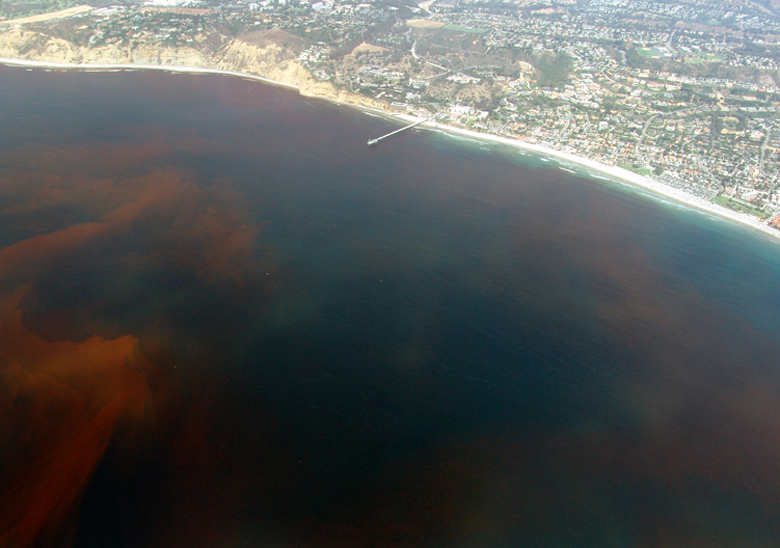
These algal blooms can produce toxins such as microcystin, which is harmful to humans and pets. While the green algae is visually striking, detecting and quantifying these toxins is critical for public safety.
Innovative Rapid Water Testing
To address this challenge, the DCU Water Institute has developed an antibody-based rapid test capable of detecting microcystin directly at the water’s edge.
During the episode, Dr. Caroline collected samples while Dr. Paul demonstrated the testing process. Unlike traditional lab-based methods, this test:
- Provides immediate results on site.
- Is cost-effective and repeatable, allowing frequent monitoring.
- Quantifies toxin levels, not just presence.
- Has the potential to be simplified for public or citizen-science use, enabling real-time monitoring of rivers, lakes, and canals.
Paul described it as a “COVID test for water”, emphasizing the team’s goal of empowering communities to safely monitor local waters and contribute data for real-time environmental alerts.
Responding to a Changing Environment
Both researchers noted that while invasive species may be impossible to fully eliminate, understanding their impact and monitoring water quality allows communities and authorities to respond effectively.
Their work exemplifies the DCU Water Institute’s commitment to protecting public health, safeguarding biodiversity, and supporting sustainable water management in a changing climate.
Watch the full episode on RTÉ Player:
https://www.rte.ie/player/series/10-things-to-know-about/SI0000000009?epguid=AI10015082-11-0004
We are proud of Caroline and Paul for showcasing their expertise and for highlighting the vital role of research in understanding and protecting Ireland’s water resources.
Author:
Clare Ankunda
Links
https://www.rte.ie/player/series/10-things-to-know-about/SI0000000009?epguid=AI10015082-11-0004
Keywords
Harmful algal bloom, DCU Water Institute, water quality monitoring, public health, freshwater ecosystems,