



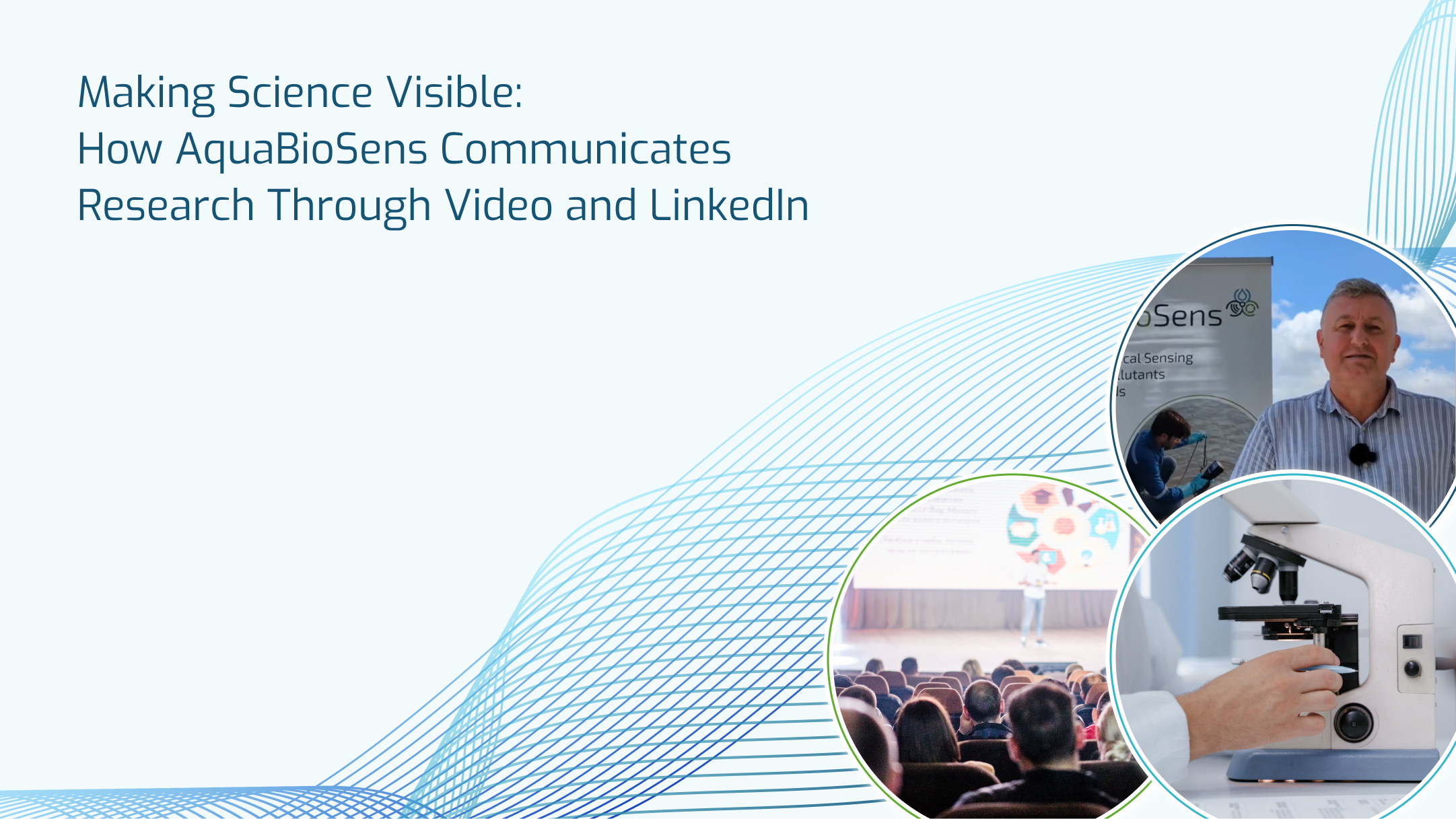
Making Science Visible: How AquaBioSens communicates research through video content and LinkedIn
Scientific research often begins in the lab, but its impact depends on what happens beyond it. For EU-funded projects such as AquaBioSens, communication is not only about reporting
New Bi-Directional Microfluidic Biochip System for Real-Time Monitoring of epithelial barrier
We have developed a microfluidic platform designed to mimic the physiological conditions of the epithelial cells. The core objective was to create a bi-directional flow chip that s
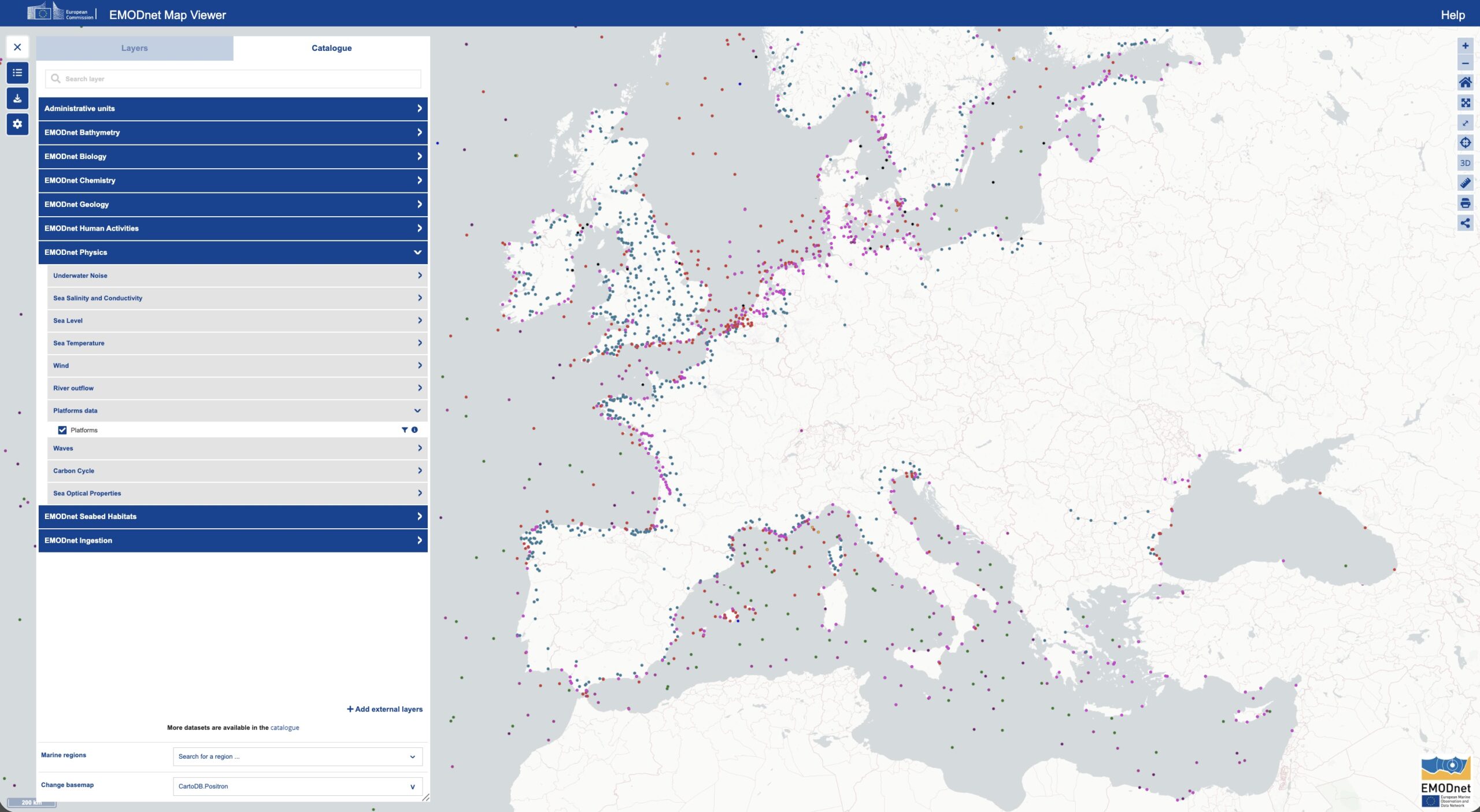
EMODnet Physics
Europe’s approach to ocean knowledge is undergoing a fundamental transformation. Driven by the convergence of the EMODnet Vision 2035, the European Ocean Pact, and the emergi
A Smart and Integrated Solution for Environmental Safety
A Smart and Integrated Solution for Environmental Safety Monitoring toxigenic microalgae in aquatic environments is essential for safeguarding both ecological systems and human hea
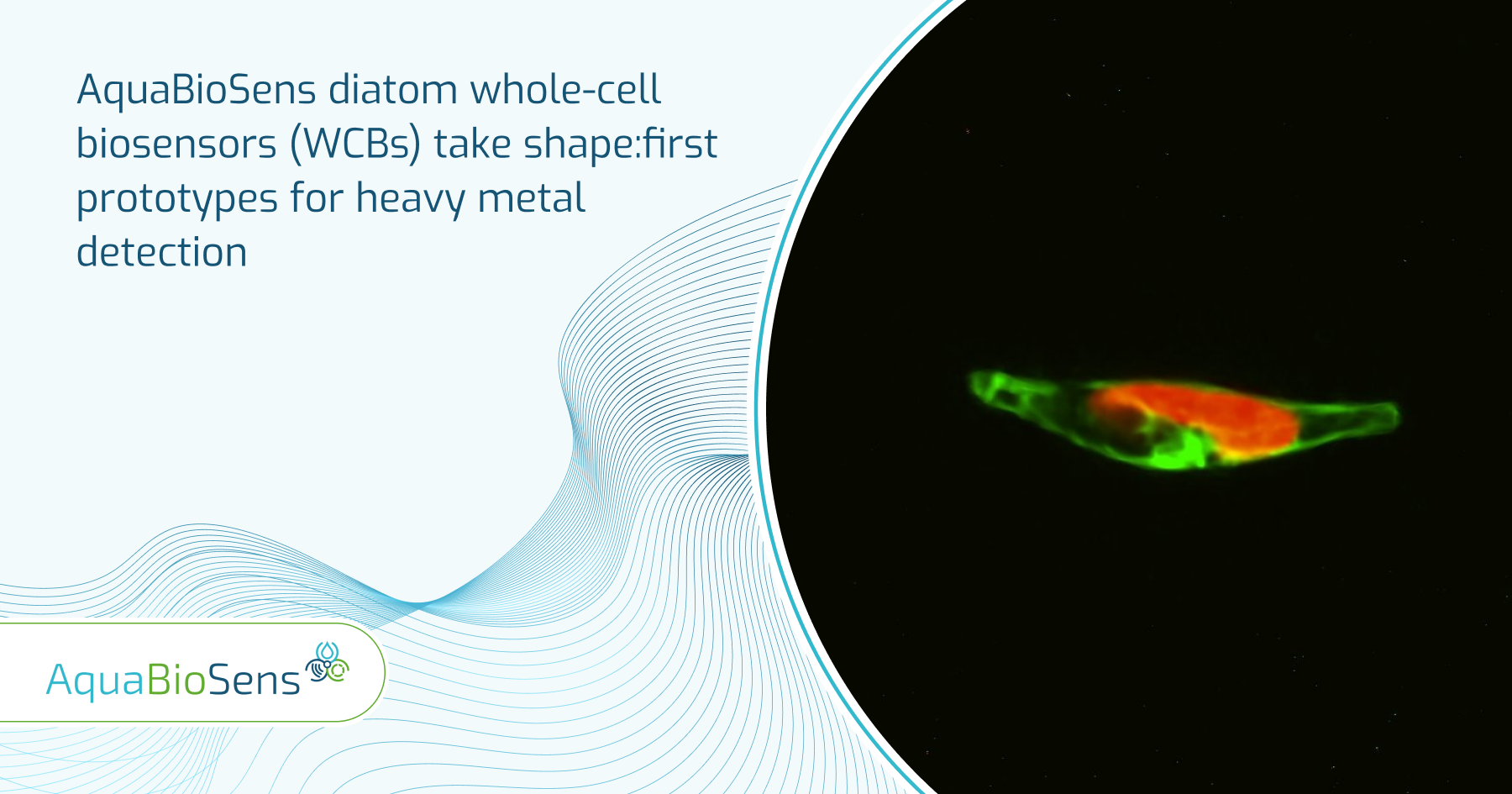
AquaBioSens diatom whole-cell biosensors (WCBs) take shape: first prototypes for heavy metal detection
Heavy metal contamination poses a persistent threat to coastal ecosystems across Europe. Developing tools for rapid, on-site detection remains a priority for effective water qualit
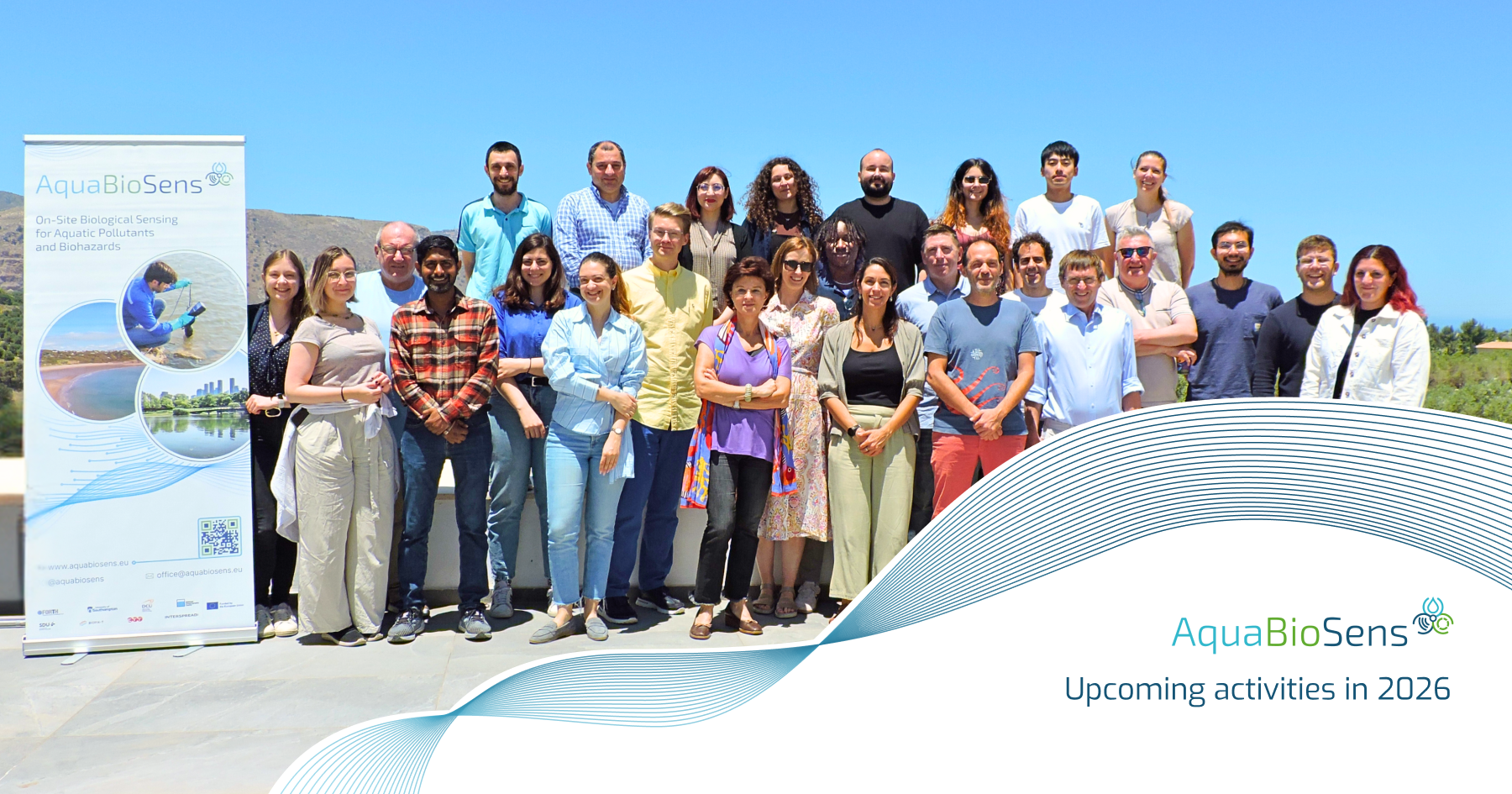
Upcoming activities of the AquaBioSens consortium in 2026
3rd Consortium meeting in Southampton The 3rd AquaBioSens consortium meeting will be held at the National Oceanography Centre (NOC) in Southampton, UK, on 6–8 July 2026. On the 6

DCU Researchers Featured on RTÉ’s 10 Things to Know About
The DCU Water Institute is proud to highlight the recent appearance of two of our researchers, Dr. Caroline Murphy and Dr. Paul Leonard on RTE’s 10 Things to Know About…, where
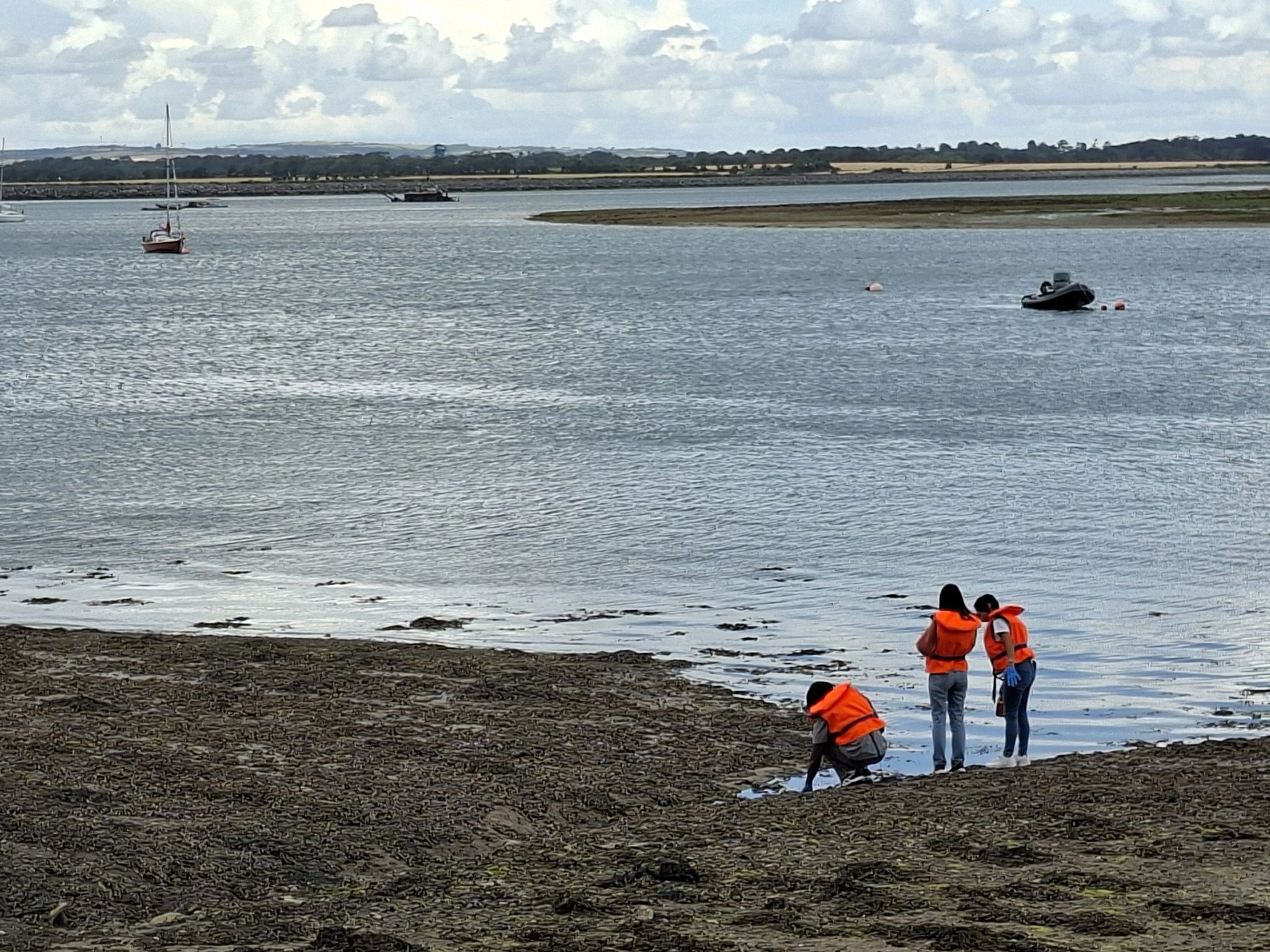
Human Footprints in Dublin Bay: Tracking Contaminants from Farms to Beaches
Researchers conducted an extensive monitoring campaign in Dublin Bay, collecting surface water and sediment samples from key locations reflecting diverse human activities. Agricult
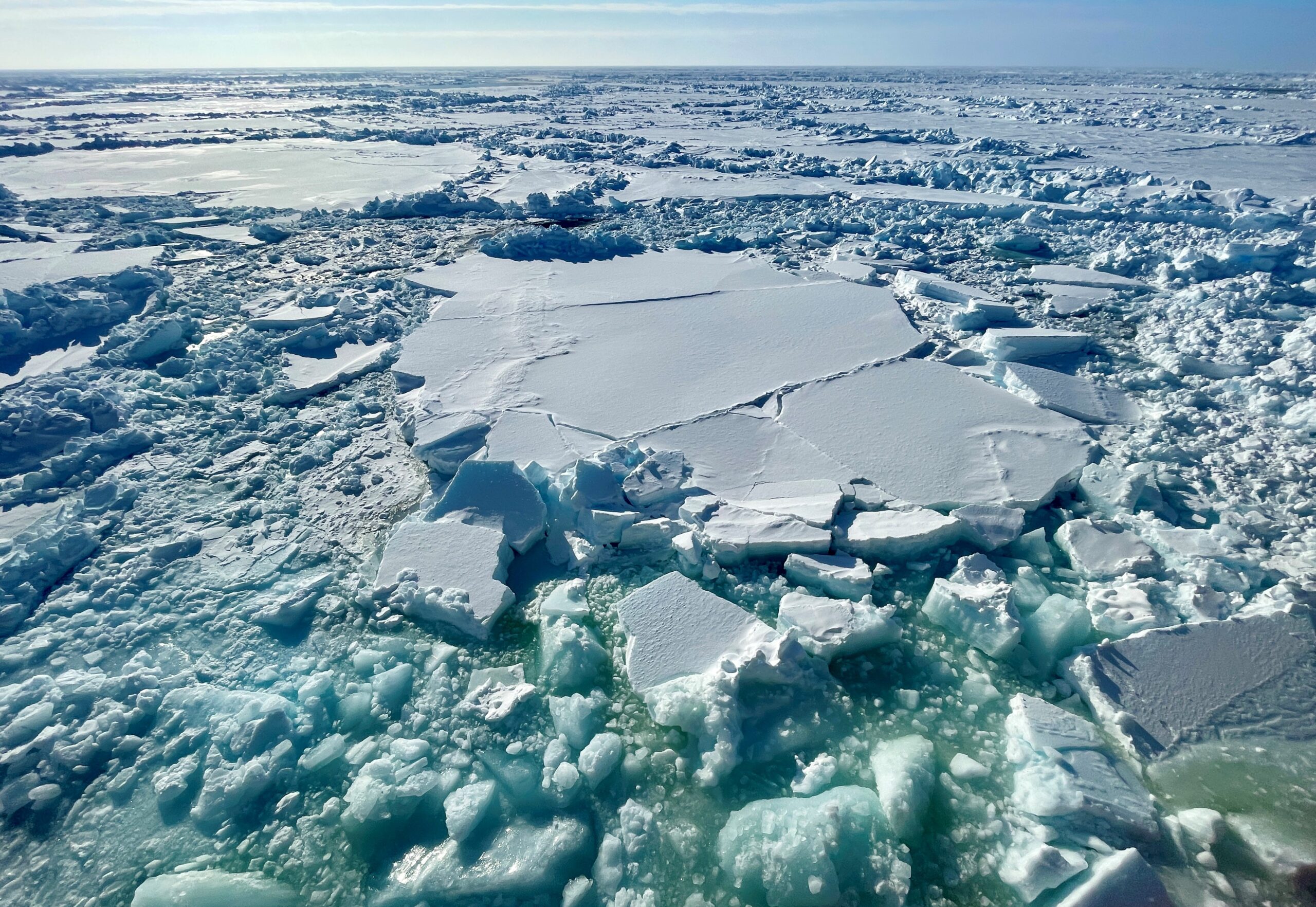
Are harmful algal blooms occurring in arctic sea ice?
Our previous coverage highlighted how climate change is driving harmful algal blooms into new habitats—from Alexandrium minutum appearing in Arctic waters to persistent Pseudo-ni
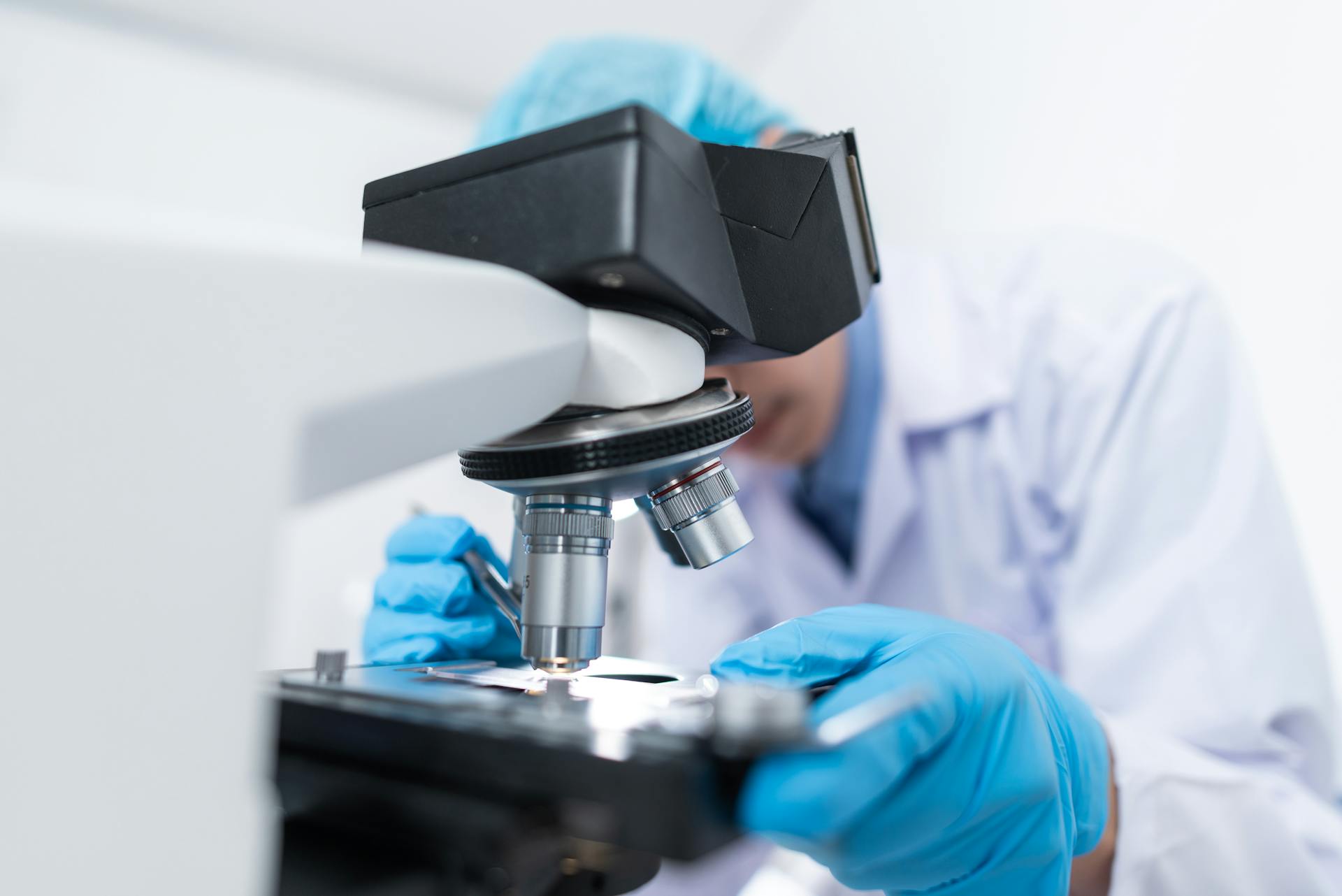
New Biochip System Enables Real-Time Monitoring of Fish Gill Epithelial Barriers
The University of Southampton has developed a microfluidic platform for real-time monitoring of fish gill epithelial barrier function. The system integrates a modular microfluidic