



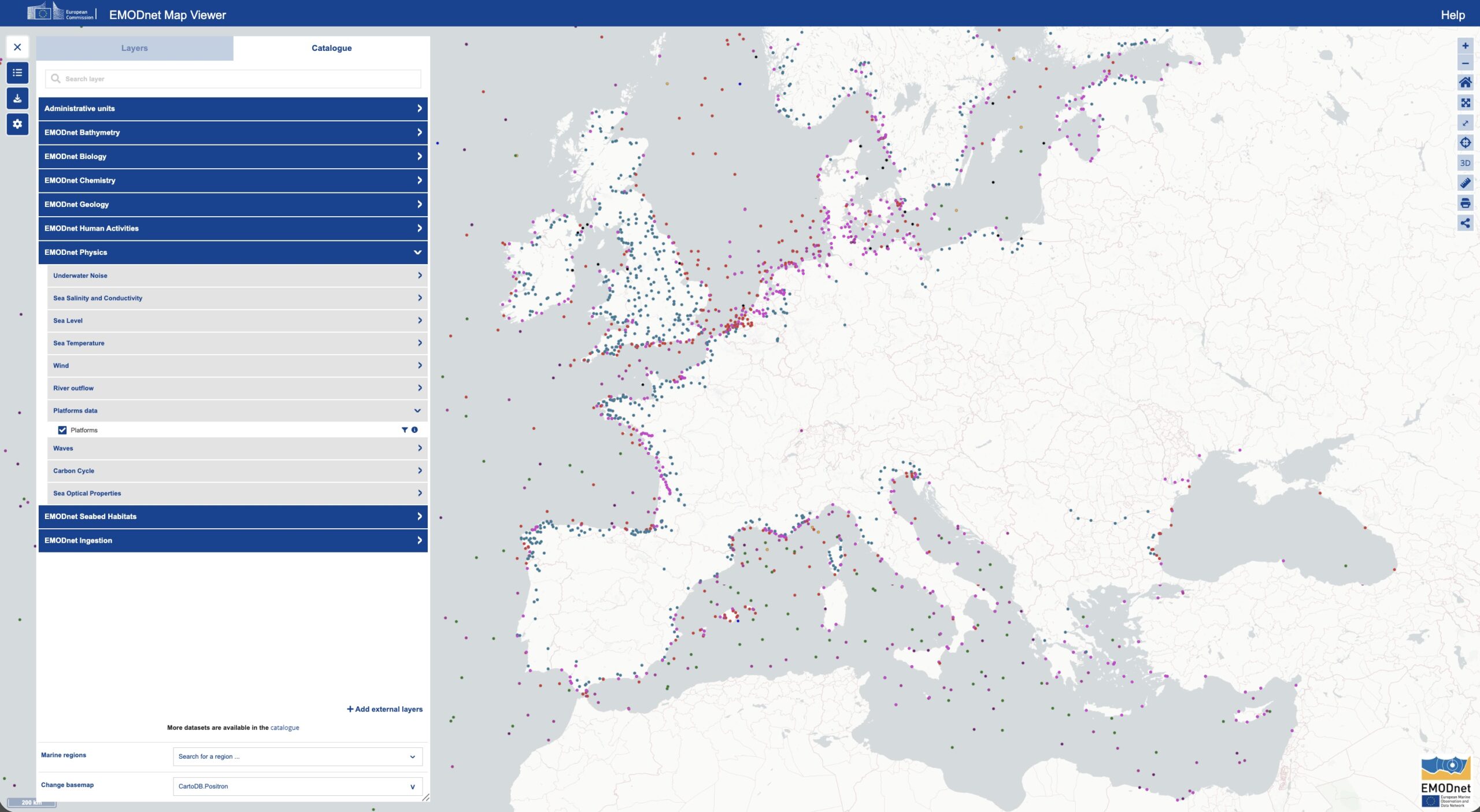
EMODnet Physics
Europe’s approach to ocean knowledge is undergoing a fundamental transformation. Driven by the convergence of the EMODnet Vision 2035, the European Ocean Pact, and the emergi

DCU Researchers Featured on RTÉ’s 10 Things to Know About
The DCU Water Institute is proud to highlight the recent appearance of two of our researchers, Dr. Caroline Murphy and Dr. Paul Leonard on RTE’s 10 Things to Know About…, where

Are harmful algal blooms occurring in arctic sea ice?
Our previous coverage highlighted how climate change is driving harmful algal blooms into new habitats—from Alexandrium minutum appearing in Arctic waters to persistent Pseudo-ni
New Biochip System Enables Real-Time Monitoring of Fish Gill Epithelial Barriers
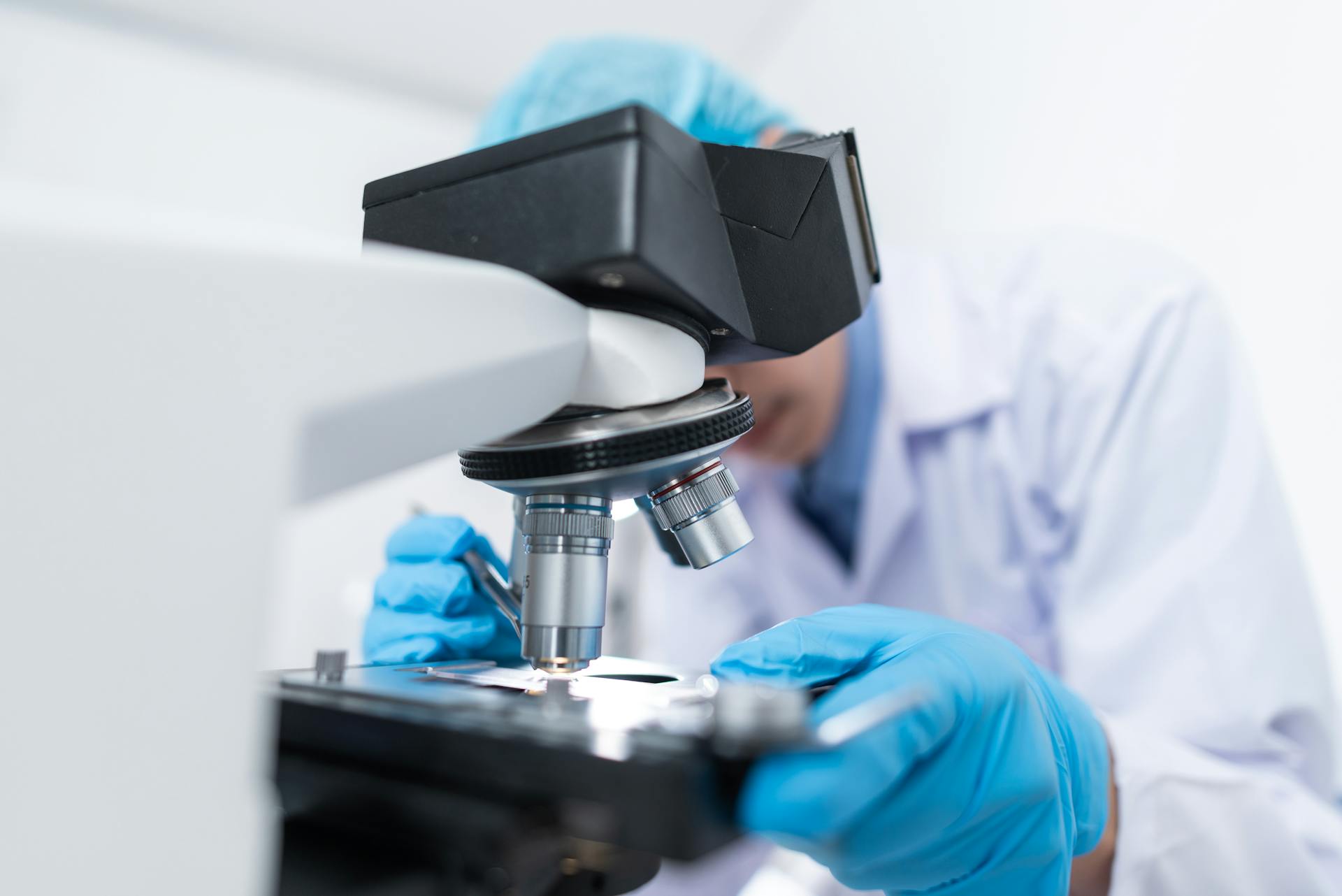
The University of Southampton has developed a microfluidic platform for real-time monitoring of fish gill epithelial barrier function. The system integrates a modular microfluidic

AquaBioSens Spring 2025 Newsletter Now Available
We’re excited to share the latest AquaBioSens Spring 2025 Newsletter, highlighting recent achievements across the consortium and what lies ahead in the coming months. From lab br
Early Warning for Toxic Waters: AquaBioSens Advances Algal Bloom Detection
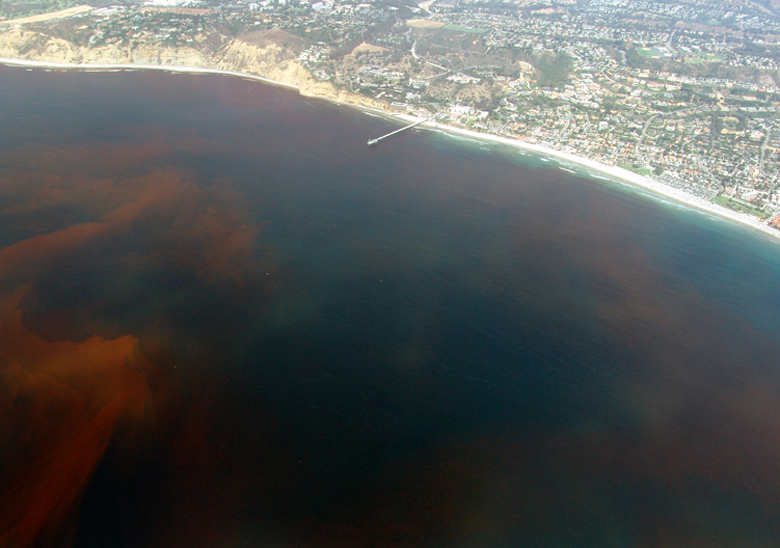
Harmful algal blooms (HABs) are an escalating environmental and public health concern globally, affecting marine ecosystems, fisheries, and water quality. At AquaBioSens, we are wo

How AquaBioSens Will Maximize the Impact of Its Innovative Solutions
Developing handheld devices to monitor aquatic hazards and pollution represents a significant advancement in tackling water-related challenges. However, the true value of these too
On-site Detection of Contaminants with Portable Device
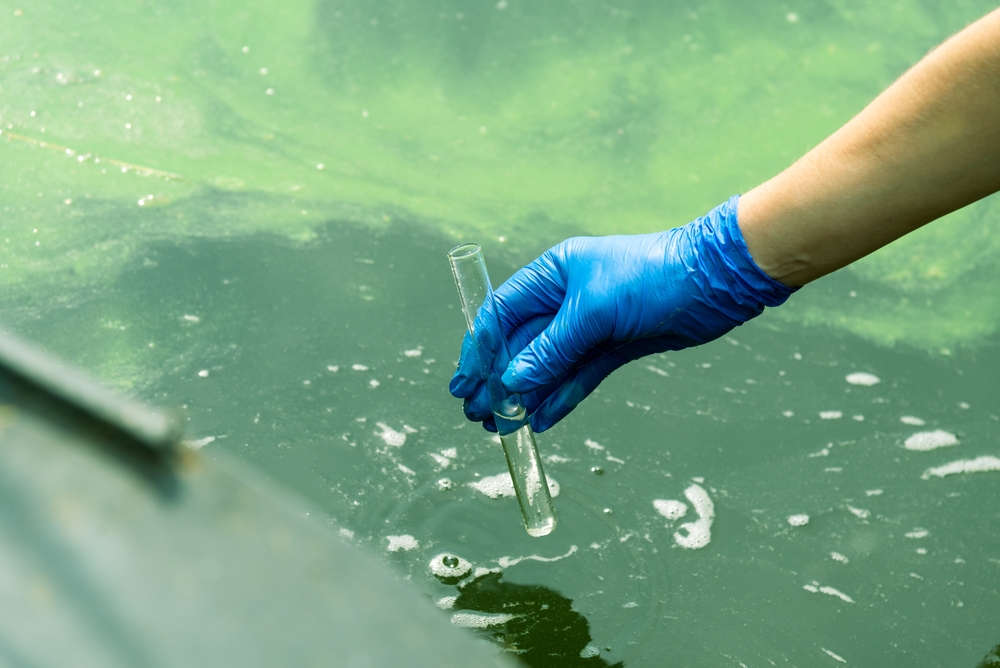
The paper “Portable Device for Dual Detection of Fluorescence and Absorbance for Biosensing or Chemical Sensing Applications” [1] discusses the development of a compact
Bioengineered phytoplankton for heavy metal pollution detection
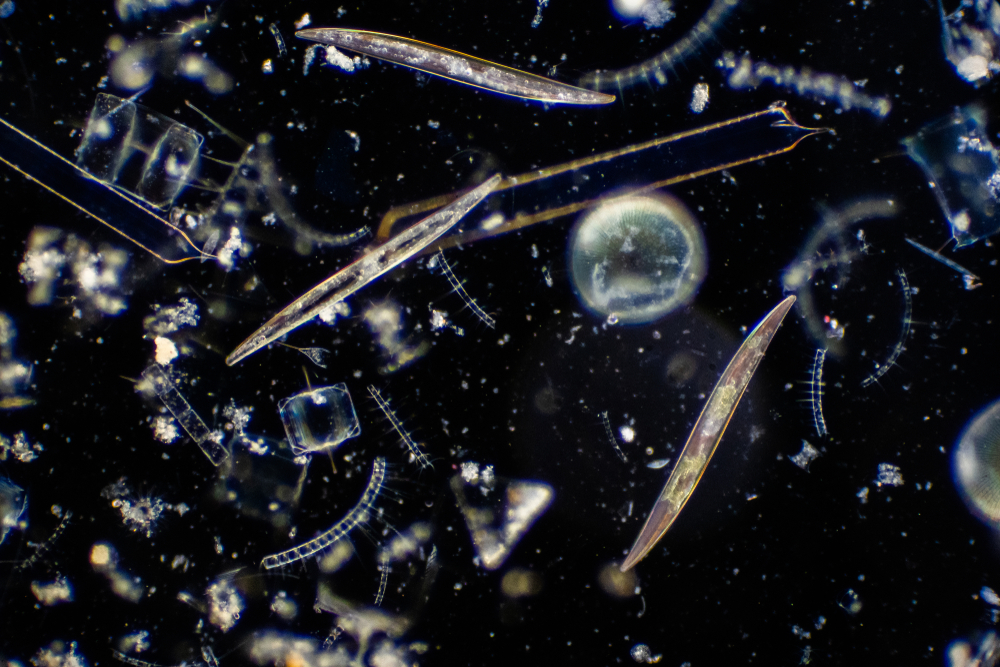
How can bioengineered phytoplankton make water quality monitoring more effective? Detecting and measuring heavy metals (HMs) in water typically involves lab-based analysis of sampl

How Molecular Sensors could alleviate the cost and delay of water quality analysis
Natural water systems are regularly subject to contamination with harmful microorganisms. Sometimes these are natural events that propagate for a short time and subside. However, i