KnowledgeHuman Footprints in Dublin Bay: Tracking Contaminants from Farms to Beaches

Human Footprints in Dublin Bay: Tracking Contaminants from Farms to Beaches
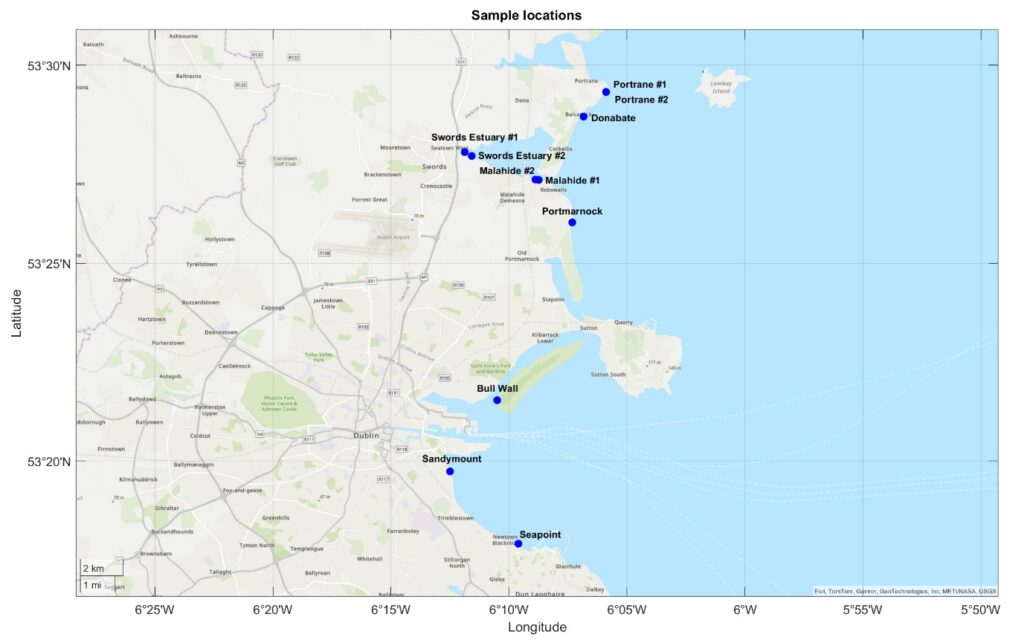
Researchers conducted an extensive monitoring campaign in Dublin Bay, collecting surface water and sediment samples from key locations reflecting diverse human activities. Agricultural areas at Portrane and Donabate, wastewater discharge zones at Swords Estuary, and popular recreational sites such as Malahide, Portmarnock, Bull Wall, Sandymount, and Seapoint were included. In total, 11 water and 11 sediment samples were collected to capture a comprehensive view of contamination patterns.

Fig.1. Key sampling sites across Dublin Bay highlighting agricultural, wastewater, and recreational areas.

Advanced Analysis Detects a Range of Contaminants

Samples were processed using solid phase extraction for water and solvent-based methods followed by SPE for sediment, then analysed with liquid chromatography coupled to a triple quadrupole mass spectrometer (LCMS/QQQ). Analytical performance was carefully evaluated through recovery rates, matrix effects, and detection limits, ensuring high accuracy, sensitivity, and reliability in detecting target compounds in complex marine environments.

Human Activities Shape Contaminant Patterns

The study revealed clear geographic patterns in contaminant distribution. Pesticides were most prevalent in northern sites linked to agricultural activity, while pharmaceuticals and sunscreen compounds were detected at locations associated with wastewater discharge and recreational use. The recurring presence of these chemicals across multiple sites highlights the complex and widespread impact of human activity on Dublin Bay’s coastal waters.

Informing Future Monitoring and Policy

This chemical profile of Dublin Bay demonstrates the value of combining water and sediment analysis to understand human pressures on marine environments. The findings can help shape monitoring strategies in transitional and coastal waters and inform the EU Water Framework Directive’s classification of priority or hazardous substances. Enhanced monitoring could ultimately support EU-wide efforts to assess and mitigate risks posed by contaminants to marine ecosystems.

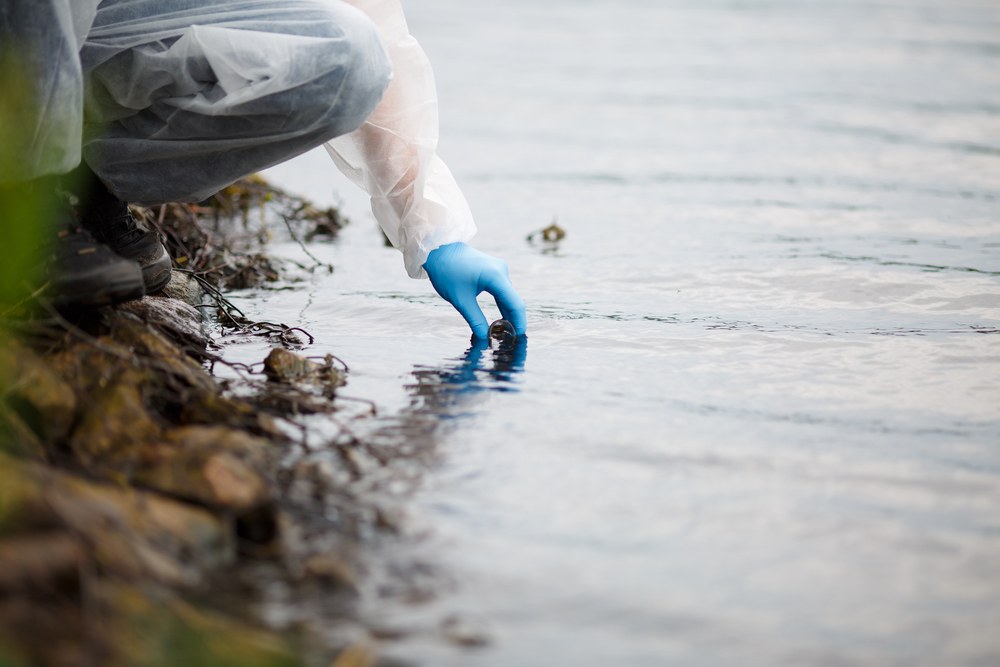
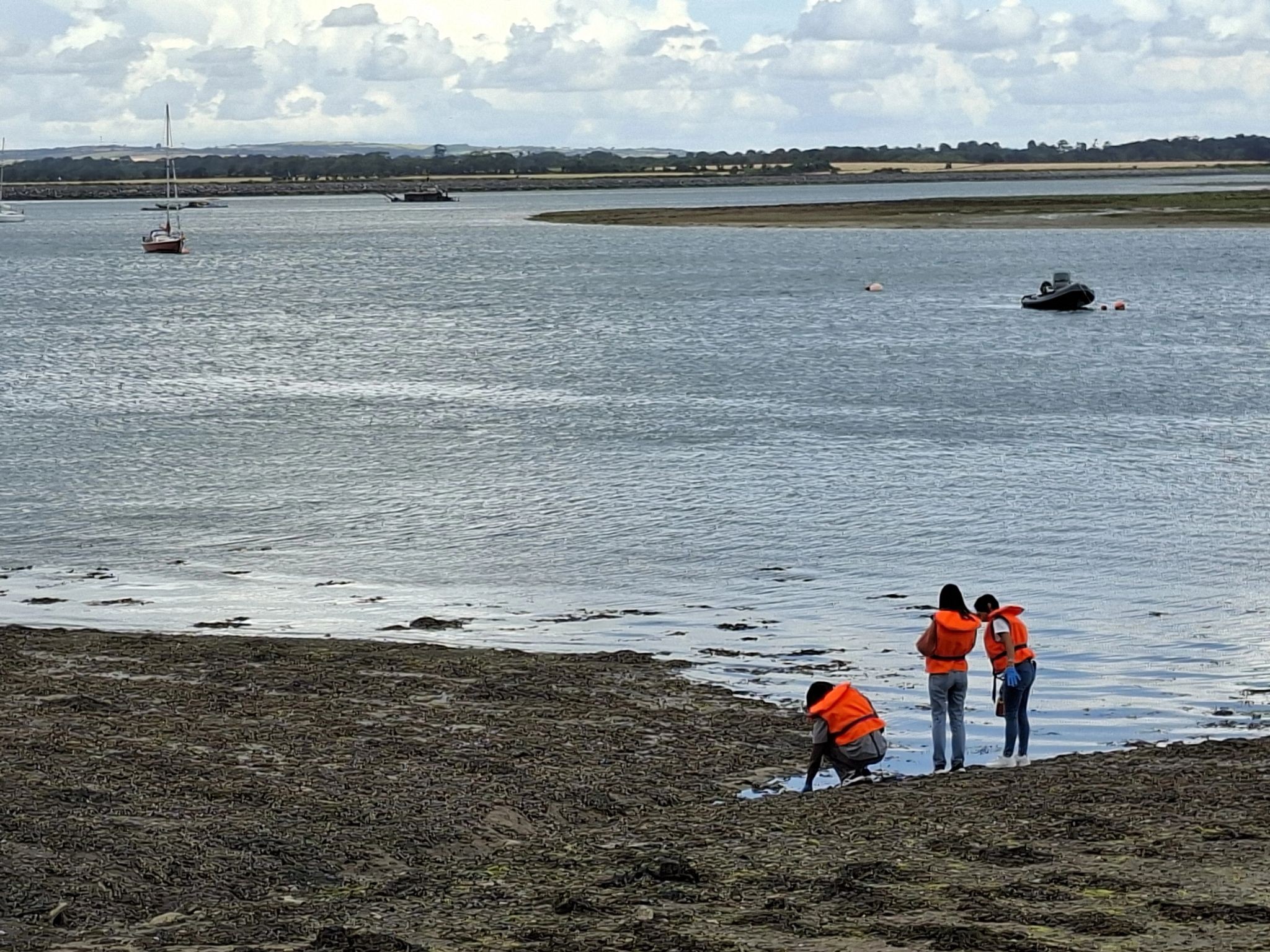
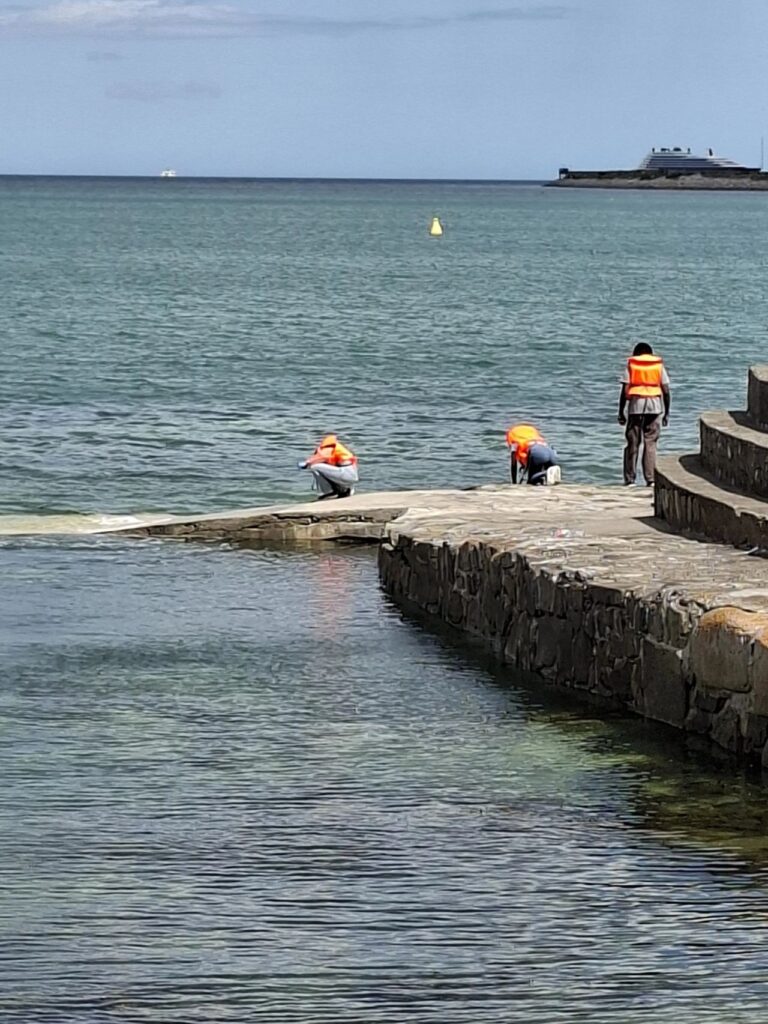
Sampling events along Dublin Bay showing water and sediment collection.

Author: Clare Ankunda

Keywords 

Dublin Bay, water contaminants, marine pollution, sediment analysis, pesticide runoff, pharmaceuticals in water, sunscreen pollution, human impact on water, LCMS/QQQ, solid phase extraction, coastal monitoring, EU Water Framework Directive, environmental sampling