
A Smart and Integrated Solution for Environmental Safety
A Smart and Integrated Solution for Environmental Safety
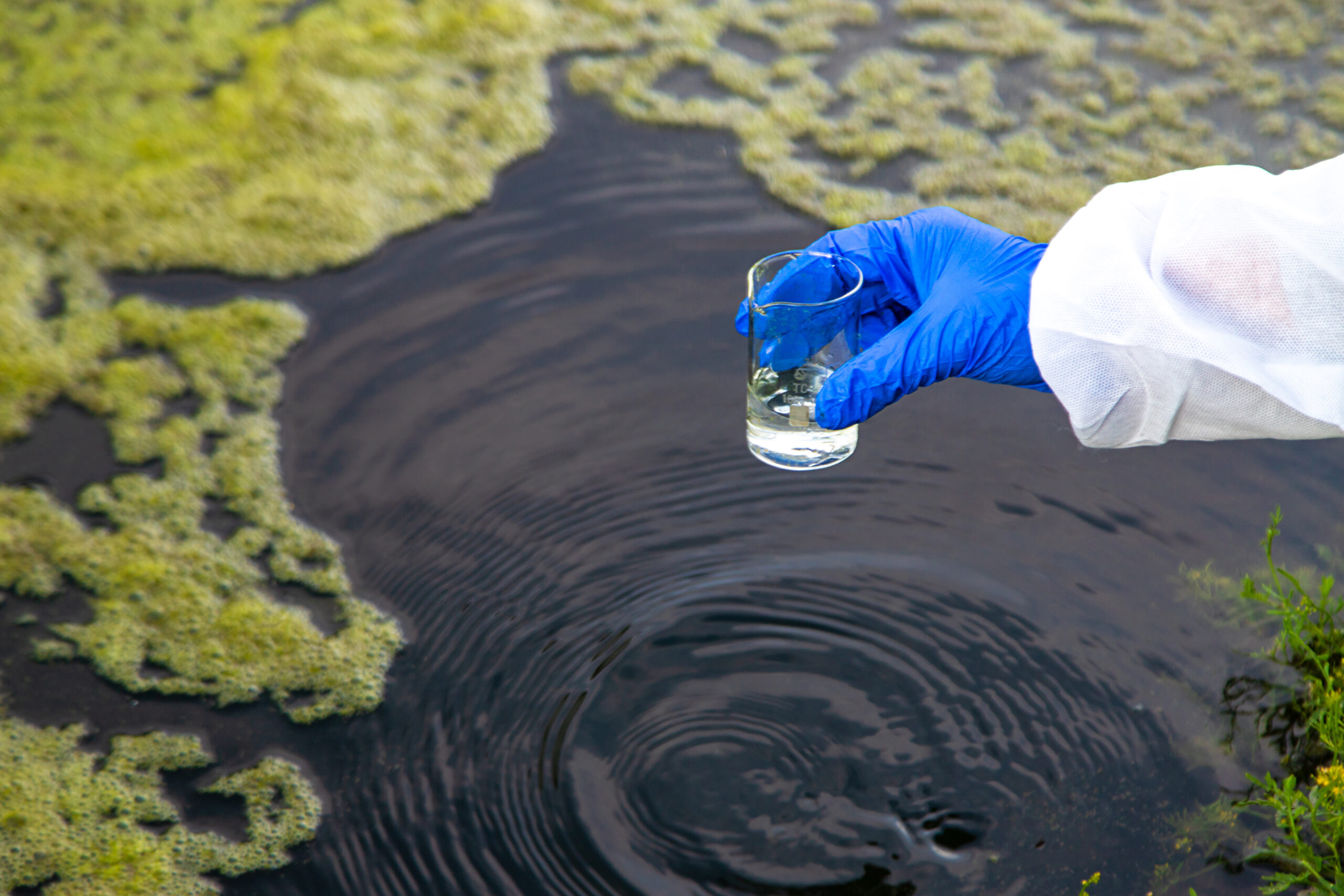
Monitoring toxigenic microalgae in aquatic environments is essential for safeguarding both ecological systems and human health. Harmful algal blooms (HABs) can release toxins that affect marine ecosystems, food chains, and public health. To address this growing challenge, ETT continues to develop innovative and integrated solutions designed to ensure efficient and precise environmental monitoring.
HABs are rarely triggered by a single factor. Instead, they result from a combination of environmental and anthropogenic conditions that promote the rapid growth of toxigenic microalgae. Typically, blooms occur when nutrient-rich waters, elevated temperatures, and stable hydrodynamic conditions coincide. Understanding and identifying these triggering factors is crucial for effective monitoring and mitigation.
Decision Support Systems
To support this effort, ETT develops decision support systems that integrate remote sensing, model forecasts, and in situ data, enabling researchers to identify early warning signals and critical triggering points. Remote sensing data and model outputs are derived from the Copernicus Marine Service, while in situ information combines publicly available datasets from EMODnet with data collected by local monitoring institutes.
To further enhance field data collection, ETT has developed AlgaWarning, a portable system that combines the DIPLE® microlens, a specialized sample chamber, and a mobile app. This technology enables the acquisition of micrometric-resolution images directly at the sampling site using a smartphone, significantly reducing the need for laboratory-based analysis.
Collected data are automatically uploaded to the web platform algawarning.it, where they can be enriched with additional chemical and toxicological information. This integrated approach allows for a more comprehensive understanding of the impacts of harmful algae on both ecosystems and human health. For instance, studies have shown that certain species, such as Ostreopsis cf. ovata, exhibit high toxicity by disrupting neuronal signaling and cellular viability [1].
Through these innovations, ETT provides user-friendly tools for monitoring harmful algae. From environmental researchers to water management authorities, these systems equip stakeholders with the knowledge needed for informed decision-making and timely interventions, ultimately contributing to a safer and healthier environment.
Author:Antonio Novellino
References
[1] Misurale, F., et al. (2022) Applied In Vitro Toxicology, 8(3), 102–112, DOI: 10.1089/aivt.2022.0008
Links
www.ettsolutions.com
Keywords
harmful algal blooms (HABs), real-time monitoring, decisional support systems (DSS), in situ analysis, environmental safety, algal toxicity, geo-reports