


AquaBioSens diatom whole-cell biosensors (WCBs) take shape: first prototypes for heavy metal detection
Heavy metal contamination poses a persistent threat to coastal ecosystems across Europe. Developing tools for rapid, on-site detection remains a priority for effective water quality management. Within AquaBioSens, Work Package 5 is addressing this challenge through an unconventional approach: engineering diatoms, a group of single-celled microalgae, to act as living sensors.
A natural genetic response engineered into a biosensing circuit
The work, carried out jointly by teams at the Foundation for Research and Technology – Hellas (FORTH) and the University of Southern Denmark (SDU), started with a systematic transcriptomic analysis of how diatoms respond to cadmium and nickel exposure at different concentrations and time points. A standardised series of experiments revealed a series of genes that are activated under metal stress, allowing researchers at SDU to identify and isolate the regulatory sequences (including promoters and terminators) that control these responses.
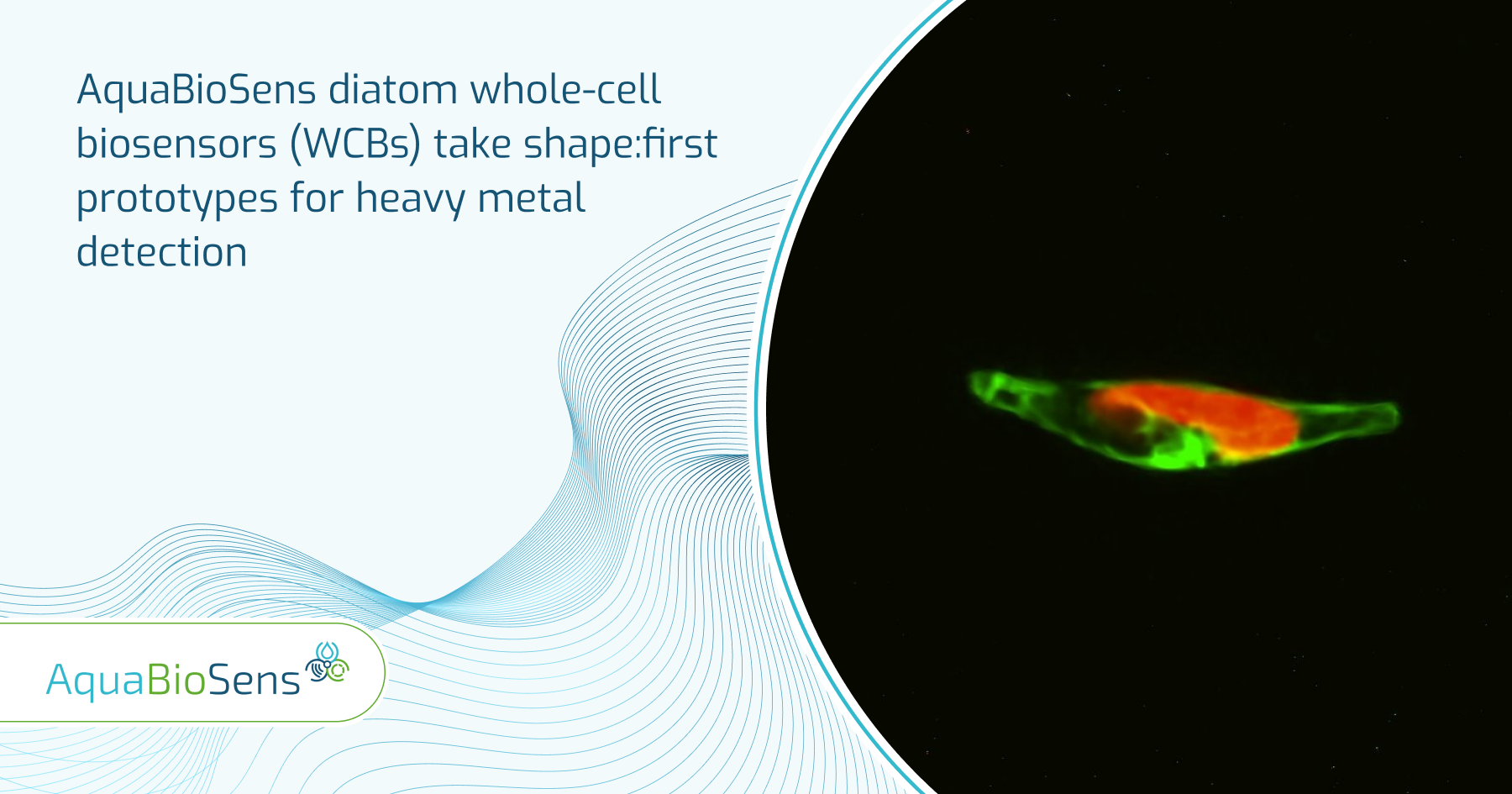
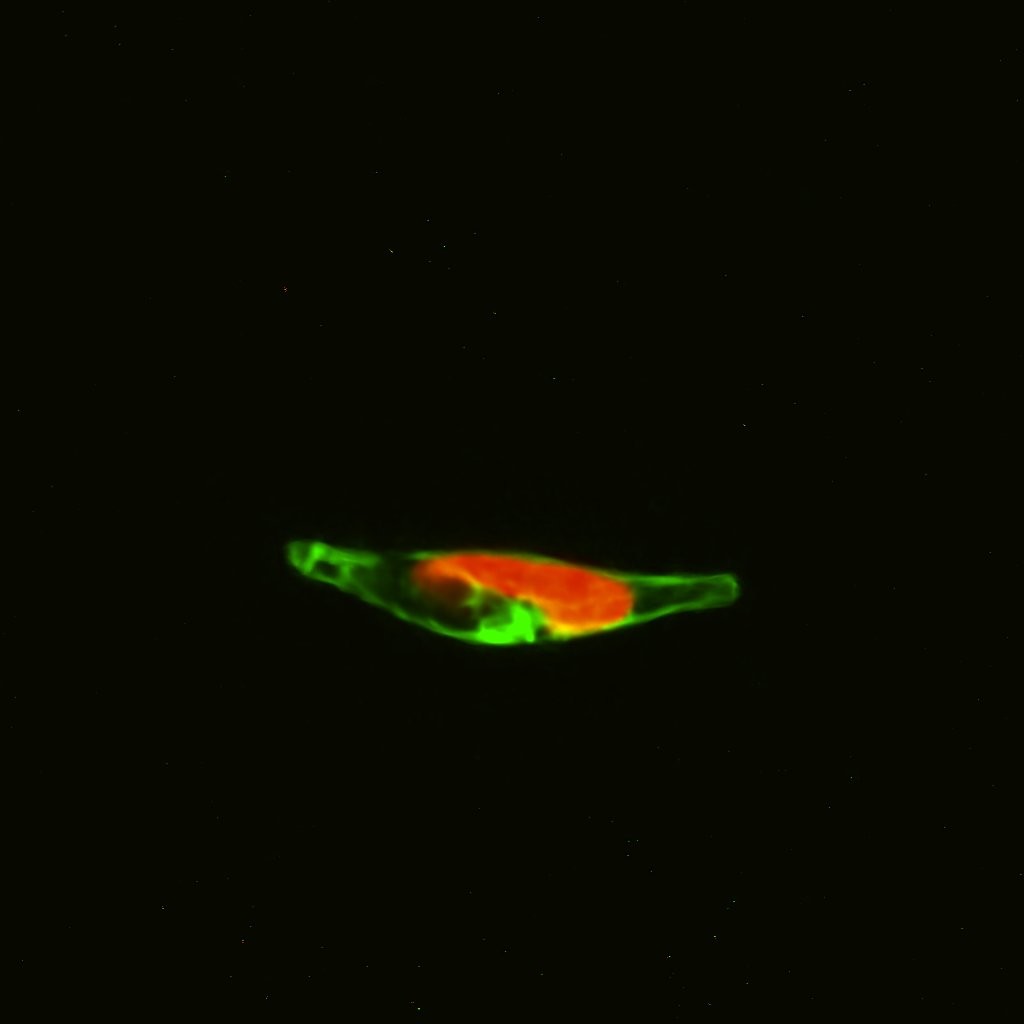
These regulatory sequences were then incorporated into synthetic genetic circuits combining fluorescent reporter genes. When introduced into diatoms of the species Phaeodactylum tricornutum, the result is an engineered strain that produces a measurable fluorescence signal in the presence of the target metal. Multiple construct variants have been designed, assembled, and tested iteratively using standardised and modular genetic component assembly. The first-generation prototypes are now showing selective responses to nickel under laboratory conditions, representing a meaningful proof of concept, even if extensive characterisation work remains ahead.
A biocontainable bioengineered biosensor
While the use of diatom WCBs will be limited to enclosed conditions, the AquaBioSens team has nonetheless integrated robust biocontainment into the engineered strains. The SDU team has addressed this by engineering the sensing constructs into auxotrophic diatom strains, making survival conditional on a specific nutrient molecule absent from natural aquatic environments, providing a functional biological safeguard against accidental environmental release.
Next steps
The current prototypes represent an important early milestone, but significant work remains before these biosensors can be used. The team is now generating additional variants and running systematic miniaturized and high-throughput experiments to establish key performance parameters: response time, detection thresholds, specificity across different metals, signal stability and multiplexing capacity. These data will be essential for integrating the diatom WCBs with the portable fluorescence detection devices being developed by other AquaBioSens partners. This combination will ultimately enable rapid, on-site water analysis without laboratory infrastructure.
Author:Michele Fabris
Links
https://www.sdu.dk/en
https://www.forth.gr/en/home/
Keywords
AquaBioSens, whole-cell biosensors, diatoms, Phaeodactylum tricornutum, heavy metal detection, cadmium, nickel, fluorescence biosensors, synthetic biology, genetic engineering, water quality monitoring, environmental sensing, biocontainment, auxotrophy, marine biotechnology, coastal ecosystems, rapid detection, EU project